4 September 2026 · Lee Haeun
Higher lows on a weekly sheet
A weekly low is a slow mark. It earns its place only when the weeks on either side let it stand.
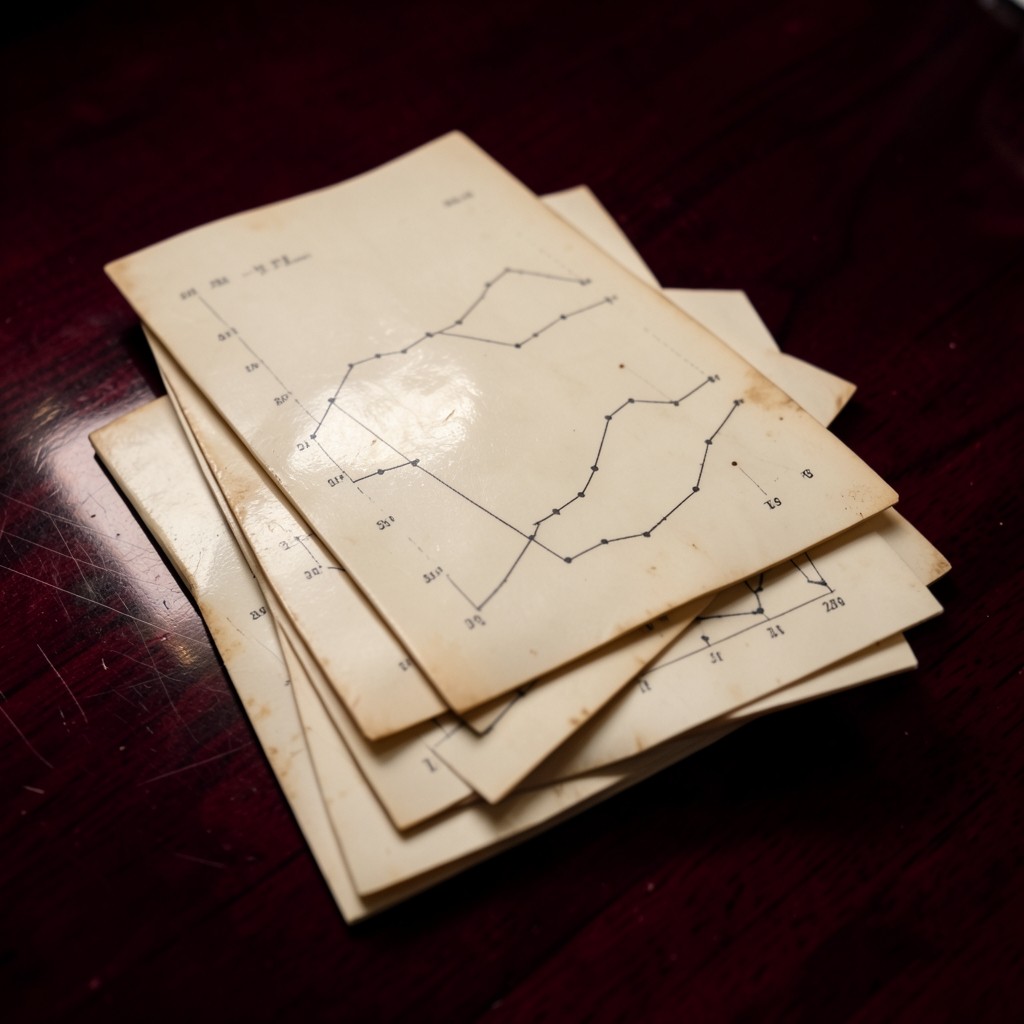
A weekly sheet hides less than a daily one, which is why we start many studios there. It also tempts people to crown every dip as a higher low. A higher low is not “the most recent low that is above something.” It is a low with weeks on both sides that failed to undercut it, sitting above the low that led the previous push.
Before you dot the page, find the low that began the swing you care about. Then walk forward week by week. A candidate has to survive at least a couple of weeks without a lower print. If next week undercuts it, it was not a swing low. It was a pause inside a fall, and your dot was early. Early dots are how a rising structure gets invented on a sheet that is still falling.
Stack the sheets, do not merge them
When a student follows two markets, I ask for two weekly sheets, not one page with both paths. Higher lows do not transfer. A shipbuilder and a dry-bulk name can both be in your notebook and still be in different sequences. Comparing them is a later conversation. Marking them on top of each other is how you end up with a trend that belongs to neither.
In the margin, number the lows you accept: L1, L2, L3. If L3 is not above L2, stop using the phrase “series of higher lows.” You may still have a useful chart. You do not have that series. The phrase is expensive. Spend it only when the numbers climb.
What the Sunday habit is for
Several former students mark on Sunday evening because the weekly bar has closed and the room is quiet. The habit is not a ritual. It is a way to keep the swing count small. If your Sunday mark takes more than twenty minutes for one market, you are probably decorating the middle of the week. The lows that matter are few. Leave the rest unmarked so the sequence can be read by someone who was not there when you drew it — including you, a month from now.