2 June 2026 · Lee Haeun
When the swing structure changes character
Higher highs and higher lows are a description, not a medal. The useful mark is the first swing that breaks the description.
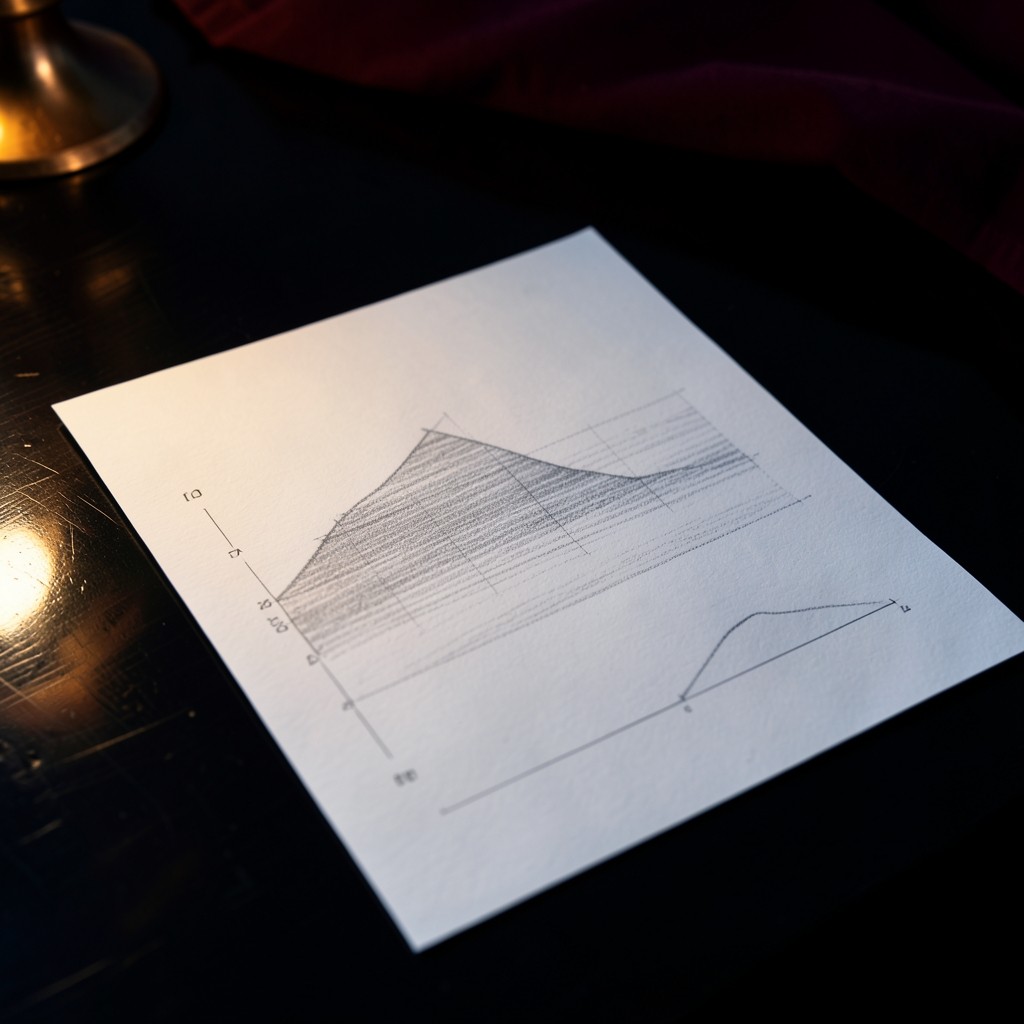
Market structure, as we use the phrase at the desk, is the sequence of swings on the sheet in front of you. A rising sequence makes higher highs and higher lows. A falling sequence makes lower highs and lower lows. A range makes highs and lows that fail to extend the previous push. The words are old. The work is to mark the sequence you actually have, including the swing where it stops being the same sequence.
Students like the rising sequence best. It feels like progress, and the pencil moves up the page, which is satisfying. The mistake is to keep the label “rising” after the page has already offered a lower high. One lower high does not rewrite history. It does end the claim that the sequence is still intact. Write the change on the sheet. Future you should not have to guess where you lost the thread.
Mark the failure, not a story about it
We do not ask anyone to narrate why a market “wanted” to pause. The sheet does not record motives. It records a high, a low, and the next high. If the next high is lower, circle it and write “lower high.” If the next low is still higher, write that too. Mixed labels are allowed. Markets spend a lot of time mixed. A clean adjective for a mixed sheet is usually a fib.
In the studio, evening three is reserved for this and almost nothing else. Channels stay on the page from evening two, but they do not get to overrule a swing. A channel can still be rising while the last two swings have gone quiet. Both marks can be true. The channel describes the broader path. The swings describe what just happened. If you erase one to protect the other, you are decorating.
A practical limit
On a single evening we stay with one timeframe for the structure pass. Mixing a weekly swing with a daily nick produces confident nonsense. If you trade or study more than one timeframe at home, bring that habit into the room as a second sheet, not as extra marks on the first. The book can hold both. The same pencil line should not.